
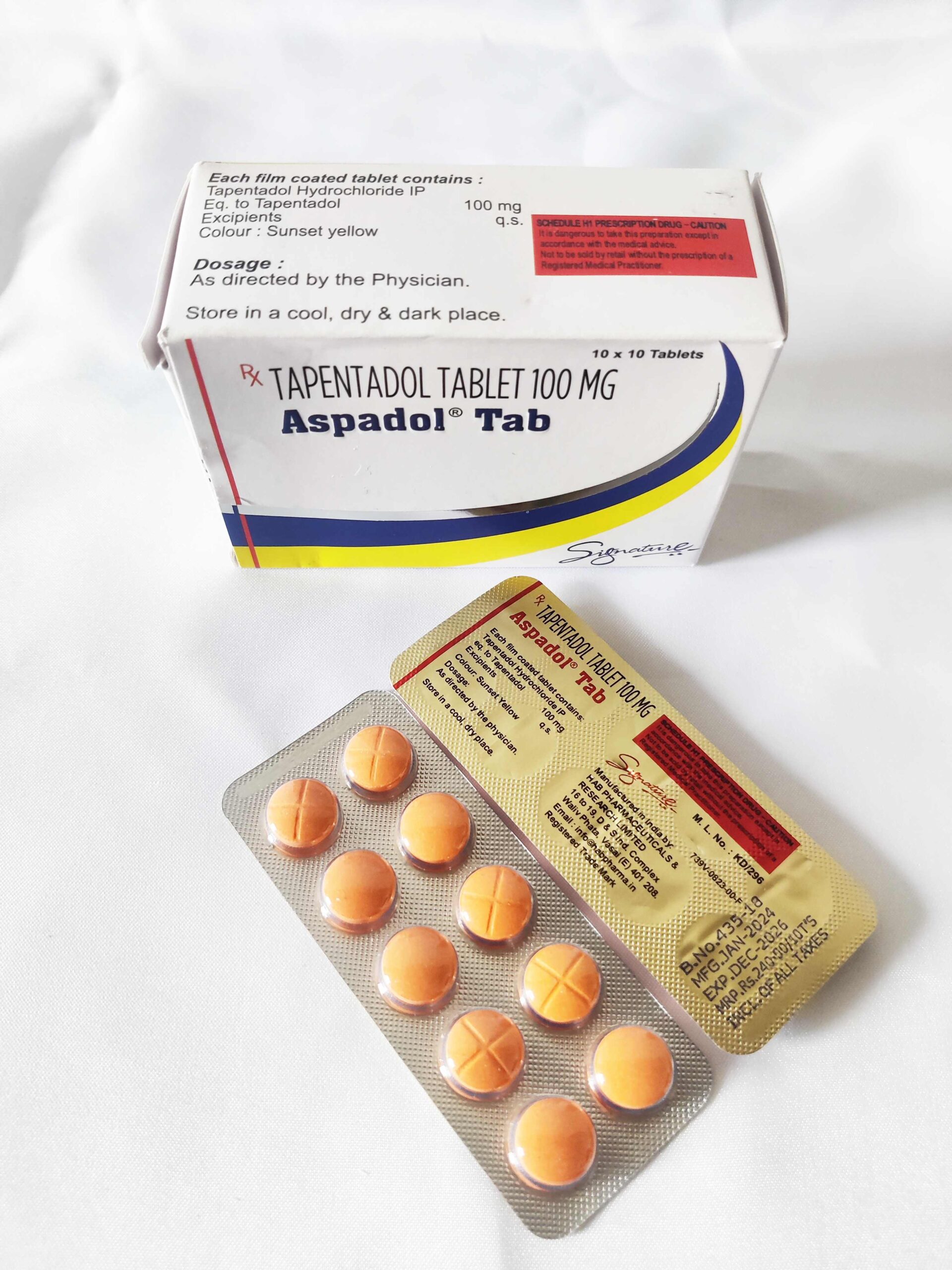
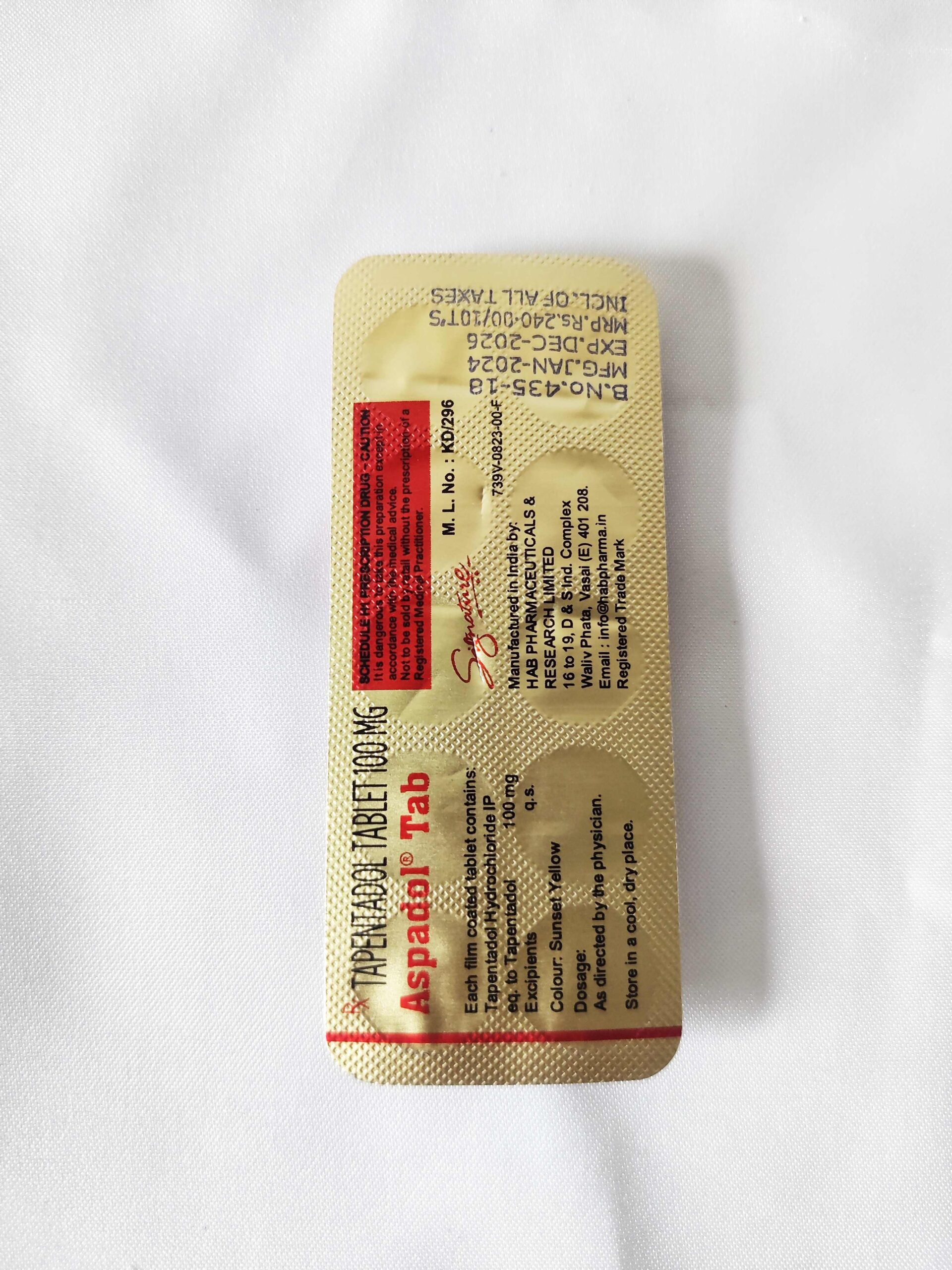






Tapentadol is a synthetic opioid analgesic that has gained recognition for its dual mechanism of action, making it effective in managing moderate to severe pain. Approved by the FDA in 2008, tapentadol is marketed under various brand names, with Nucynta being the most prominent. It is primarily indicated for patients who have not found relief from non-opioid medications and require opioid therapy.
Mechanism of Action
The effectiveness of tapentadol stems from its unique pharmacological profile. It acts as a mu-opioid receptor agonist, which means it binds to specific receptors in the brain that are responsible for pain relief. Additionally, tapentadol inhibits norepinephrine reuptake, enhancing its analgesic effects by increasing norepinephrine levels in the central nervous system. This dual action allows tapentadol to provide pain relief while potentially reducing some side effects associated with traditional opioids.
Indications and Usage
Tapentadol is indicated for the management of acute pain severe enough to require an opioid analgesic when alternative treatments are inadequate. The immediate-release formulation is suitable for patients aged six years and older, while the extended-release version is intended for long-term use in chronic pain management and neuropathic pain associated with diabetic peripheral neuropathy.
Pharmacokinetics
Upon oral administration, tapentadol exhibits a mean absolute bioavailability of approximately 32% due to extensive first-pass metabolism. Peak serum concentrations are typically reached within 1.25 hours after dosing. The drug has a terminal half-life of about four hours, allowing for effective management of pain with appropriate dosing intervals.
Adverse Effects and Risks
Like all opioids, tapentadol carries risks of misuse, addiction, and overdose. Common side effects include nausea, dizziness, drowsiness, and constipation. Due to its potential for abuse, tapentadol is classified as a controlled substance in several countries, including the United States where it falls under Schedule II of the Controlled Substances Act.
Conclusion
Tapentadol represents an important option in pain management due to its unique properties and effectiveness in treating severe pain conditions. However, healthcare providers must carefully consider its risks and benefits when prescribing this medication.


Reviews
There are no reviews yet.