







Overview of Carisoprodol
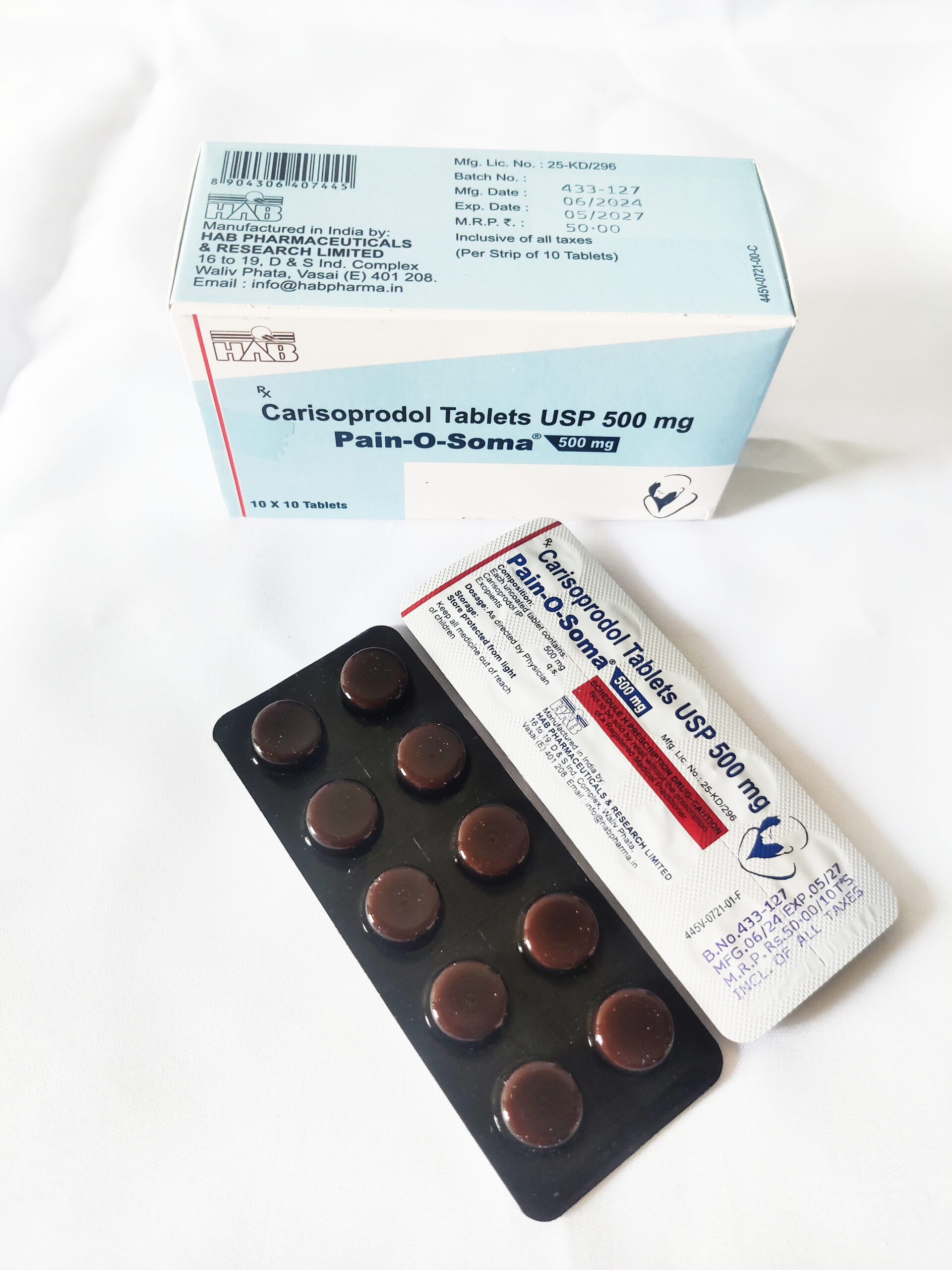
Carisoprodol is a centrally-acting skeletal muscle relaxant primarily used to relieve pain and discomfort associated with muscle spasms or acute musculoskeletal conditions. It is available in tablet form, typically in dosages of 250mg and 350mg. The medication works by altering nerve activity in the spinal cord and brain, although the exact mechanism of action is not fully understood.
Indications for Use
Carisoprodol is prescribed for short-term use, generally not exceeding two to three weeks. It is often recommended alongside rest, physical therapy, and other treatments to enhance recovery from muscle-related issues. Patients should take carisoprodol orally, with or without food, as directed by their healthcare provider.
Dosage and Administration
The standard dosage for carisoprodol can vary based on individual medical conditions and responses to treatment. For adults, it is commonly administered three times a day, with peak effects occurring within 1.5 to two hours after ingestion. It’s crucial that patients adhere strictly to their prescribed dosage and schedule to minimize risks associated with misuse or dependency.
Potential Side Effects
While many individuals tolerate carisoprodol well, it can cause side effects such as dizziness, drowsiness, headache, heart palpitations, and gastrointestinal discomfort. More serious side effects may include confusion or allergic reactions requiring immediate medical attention. Due to its sedative properties, patients are advised against driving or operating heavy machinery while taking this medication.
Risks of Dependence and Withdrawal
Carisoprodol has a potential for addiction and abuse; therefore, it should be used cautiously in individuals with a history of substance use disorders. Sudden discontinuation after prolonged use can lead to withdrawal symptoms such as insomnia, nausea, abdominal cramps, headaches, muscle twitching, and hallucinations. To mitigate withdrawal risks, healthcare providers typically recommend tapering off the medication gradually.
Drug Interactions
Carisoprodol may interact with various medications that also cause sedation or are metabolized by the liver enzyme CYP2C19. Common interacting substances include benzodiazepines, opioids, antidepressants, alcohol, and other muscle relaxants. Patients must inform their healthcare providers about all medications they are taking to avoid adverse interactions.
Conclusion
In summary, carisoprodol 350mg serves as an effective short-term solution for managing muscle pain but comes with significant considerations regarding its potential for dependence and side effects. Patients should engage closely with their healthcare providers throughout their treatment course to ensure safe usage.



Reviews
There are no reviews yet.