

Why Testosterone Matters
Testosterone is the primary male hormone that plays a critical role in:
- Building muscle mass and strength
- Regulating sex drive and performance
- Supporting energy levels and mood
- Maintaining bone density and overall health
Low testosterone (also called Low-T) is a common condition affecting many men in the USA, especially after the age of 30. Symptoms may include fatigue, low sex drive, weight gain, mood changes, and difficulty building muscle.
Signs of Low Testosterone
Some common signs include:
- Reduced libido and erectile dysfunction
- Decreased energy and motivation
- Increased body fat, especially around the belly
- Loss of muscle mass and strength
- Mood swings, irritability, or depression
- Difficulty concentrating
👉 If you experience these symptoms, consult your healthcare provider for testing.
1. Boost Testosterone with Exercise
Physical activity is one of the most effective natural testosterone boosters.
- Strength training (lifting weights) significantly increases testosterone production.
- High-intensity interval training (HIIT) has been shown to boost hormone levels.
- Consistency is key — 3 to 4 workouts per week are most effective.
2. Eat a Testosterone-Friendly Diet
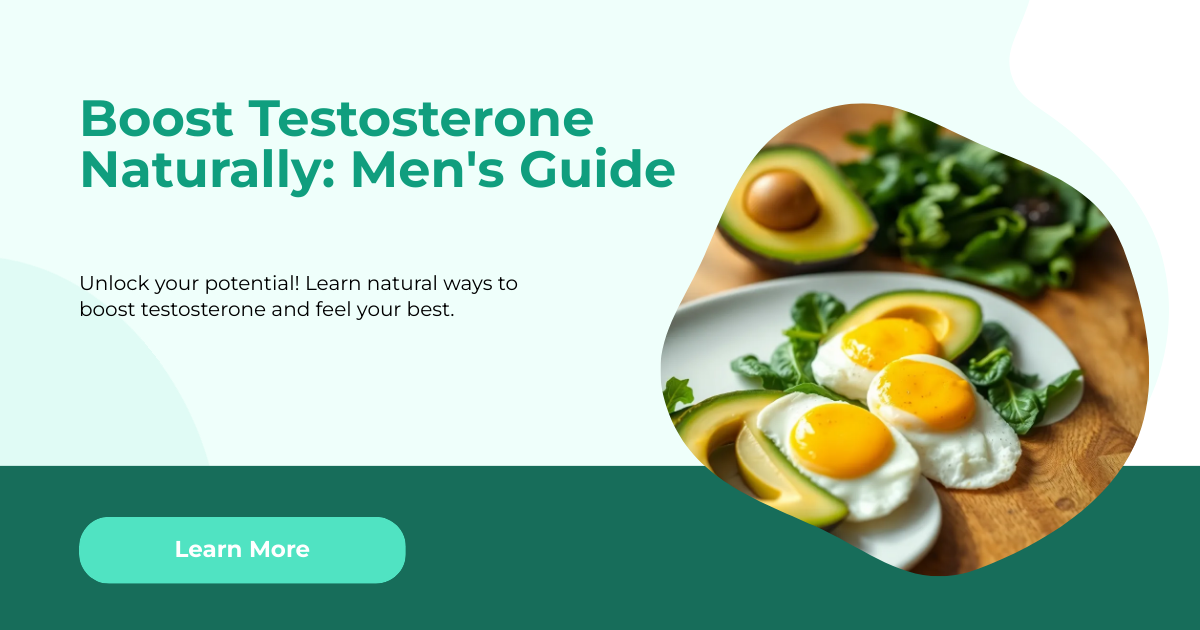
Nutrition plays a huge role in hormone balance. Include foods rich in:
- Zinc & Magnesium – oysters, nuts, seeds, spinach.
- Healthy fats – avocados, olive oil, nuts, fatty fish.
- Protein – lean meats, eggs, beans, lentils.
- Vitamin D – salmon, fortified foods, or supplements (especially in colder US states).
⚠️ Avoid excessive processed foods, sugar, and alcohol, which lower testosterone levels.
3. Prioritize Sleep
Lack of sleep is one of the biggest testosterone killers.
- Aim for 7–8 hours of quality sleep each night.
- Poor sleep can reduce testosterone by up to 15% in just one week.
- Stick to a regular sleep schedule and avoid screens before bedtime.
4. Reduce Stress
Chronic stress increases cortisol, a hormone that lowers testosterone.
- Practice yoga, meditation, or deep breathing.
- Take regular breaks from work.
- Engage in hobbies and outdoor activities.
5. Maintain a Healthy Weight
Obesity and high body fat are strongly linked to low testosterone.
- Focus on a balanced diet and regular exercise.
- Losing even 5–10% of body weight can significantly boost testosterone.
6. Consider Supplements (with Medical Advice)
Some supplements may help men with low testosterone, but always consult your doctor first. Popular options include:
- Vitamin D3
- Zinc
- Ashwagandha
- Fenugreek extract
⚠️ Avoid unregulated “testosterone boosters” sold online without medical approval — many are unsafe.
7. Limit Alcohol and Quit Smoking
- Excessive alcohol consumption lowers testosterone production.
- Smoking damages blood vessels and impacts testosterone and sexual health.
Final Thoughts
Boosting testosterone doesn’t always require medication — lifestyle changes like exercise, nutrition, quality sleep, and stress management can naturally raise levels and improve overall men’s health.
If you suspect low testosterone, consult a healthcare professional in the USA to explore testing and possible treatment options.
Take charge today — your energy, strength, and confidence depend on it.